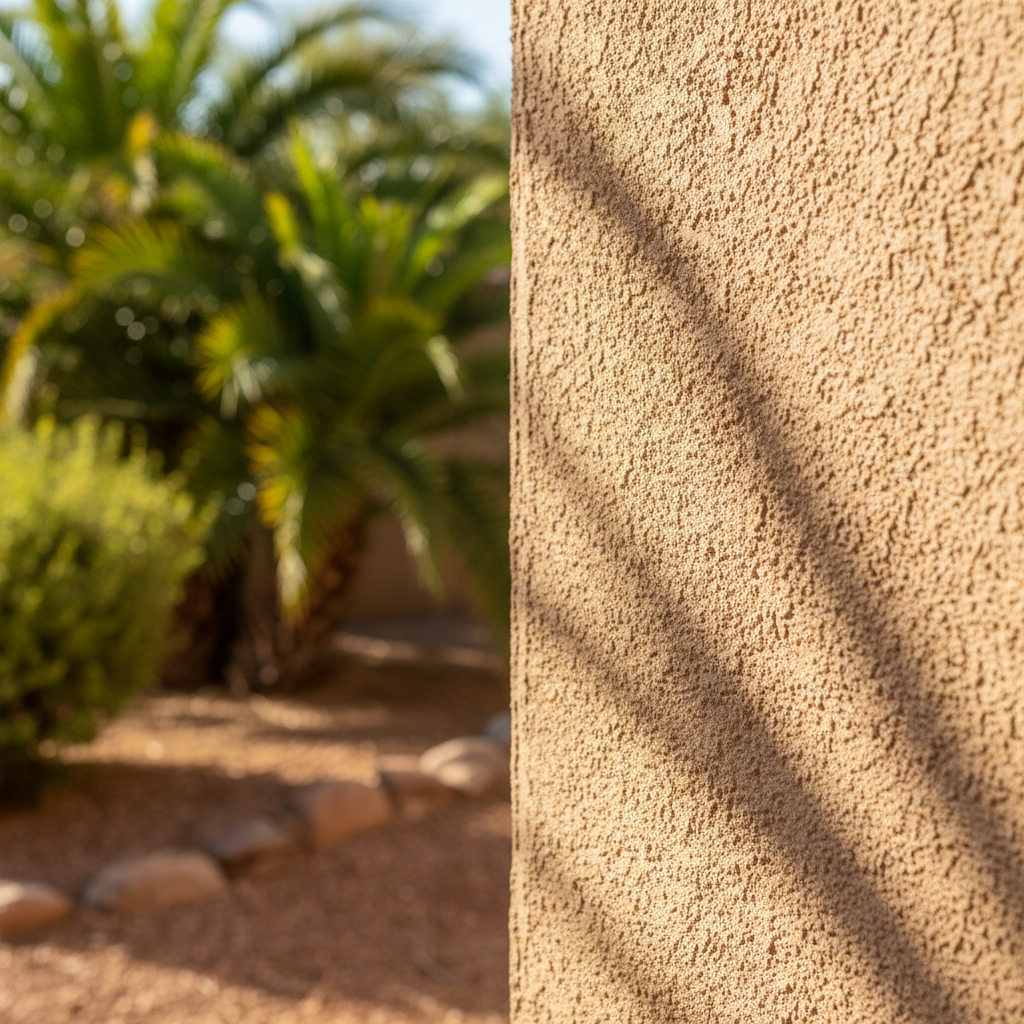
Alright, let's talk stucco. You live in Chandler, so you know our homes are mostly stucco, and for good reason—it’s durable, looks great, and handles our desert heat pretty well. But 'pretty well' doesn't mean 'maintenance-free,' does it? Your stucco really takes a beating out here, from those scorching 115°F summer days to the sudden monsoon downpours that can truly test its limits. Keeping an eye on your stucco isn't just about curb appeal; it's about protecting your biggest investment, plain and simple.
So, how do you keep that stucco looking good and doing its job? It all starts with smart inspections. I'm going to walk you through what you need to know before, during, and after you check your home's exterior, and when it's smart to pick up the phone and call someone like us at Apex Stucco.
Before You Inspect: Get Ready to Look Closely
You don't need a fancy degree to do a basic stucco inspection, but you do need to be thorough. Think of it like a yearly check-up for your house. Most experts say you should do a visual inspection at least once a year. Me? I'd say do it more often if you've got a newer home, or if we've had a particularly nasty monsoon season.
- Pick the Right Time: A cool morning or late afternoon is best, especially after the winter or a heavy rain. You'll simply see things better without that harsh midday sun.
- Gather Your Tools: You won't need much. A notepad and pen, a camera (your phone works great), maybe a pair of binoculars for high spots, and a small rubber mallet or even your knuckles for a 'tap test.'
- Know Your Home's History: Did you just buy the place? Was there a recent repair? Knowing this can really help you focus on potential problem areas.
During Your Inspection: What to Look For (and Where)
This is where you become a detective. Walk around your entire house, slowly. Don't rush it. Pay extra attention to areas where different materials meet, like around windows, doors, and where the stucco meets the roofline or foundation.
What You Can (and Should) Check Yourself:
- Cracks: Hairline cracks are pretty common, especially with our temperature swings causing expansion and contraction. But if you see cracks wider than a credit card, or ones that form a spiderweb pattern, or stair-step cracks—that's a red flag. These can let water in, and that's when real trouble starts.
- Discoloration and Stains: See dark streaks, white powdery residue (that's efflorescence), or just general discoloration? This often means moisture is getting behind your stucco. Make sure to check especially below windows or where the roof meets the wall.
- Bulging or Soft Spots: Gently tap on your stucco with your knuckles or a rubber mallet. It should sound solid. If you hear a hollow sound, or if it feels soft or spongy, that could mean the stucco has detached from the wall, likely due to trapped moisture.
- Gaps Around Openings: Check the caulking and flashing around all your windows, doors, and any penetrations like dryer vents or electrical boxes. If the caulk is cracked, missing, or pulling away, water can easily get in.
- Drainage Issues: Look at your gutters and downspouts. Are they clean and directing water away from your foundation? Poor grading or blocked gutters are a common problem in Chandler homes, leading to water pooling against walls. Also, check your weep screeds at the bottom of your walls. These are supposed to let moisture out, but if they're blocked or missing, water can get trapped.
When to Call a Pro (Don't Try This at Home):
Look, some things are just beyond a DIY fix. If you see any of these, it's definitely time to bring in a professional stucco contractor:
- Widespread Damage: If you've got large areas of cracking, bulging, or soft spots across multiple walls, that's a job for an expert.
- Persistent Moisture Signs: If you've got recurring efflorescence, dark stains that won't go away, or areas that always look damp, you've likely got a serious moisture intrusion issue that needs professional diagnosis and repair.
- Suspected Structural Issues: If those cracks are really wide (over 1/8 inch), or if you suspect foundation movement, don't mess around. This requires specialized knowledge.
- EIFS Stucco: If your home has EIFS (Exterior Insulation and Finish System), which some older Chandler homes from the 90s and 2000s might have, you absolutely want a pro. EIFS behaves differently than traditional stucco, and water intrusion can cause extensive, hidden damage that's costly to fix.
- Before Buying or Selling: If you're in the market or planning to sell, a professional stucco inspection can uncover hidden defects for buyers or help sellers address issues proactively.
A professional inspection, ideally every three to five years, includes moisture testing and a detailed look at the whole system.
After Your Inspection: What's Next?
So, you've done your walk-around. Now what?
- Document Everything: Take notes and photos of any issues you found. This helps track changes and gives a pro a good starting point if you need to call one.
- Small Fixes You Can Do: If you find minor hairline cracks (under 1/8 inch) or small chips, you can often patch these yourself with a DIY stucco repair kit or stucco caulk. Just make sure to match the color as best you can – especially if you're in a neighborhood with strict HOA rules about earth tones like terracotta or sandstone.
- Call the Pros for Bigger Problems: For anything beyond those small, cosmetic fixes, don't hesitate. Ignoring bigger issues like widespread cracks, bulging, or persistent moisture will only lead to more expensive repairs down the line. A small repair might cost a few hundred bucks, but a full replacement due to extensive water damage could be tens of thousands.
Your home's stucco is its first line of defense against our harsh Chandler climate. Regular inspections, both by you and by professionals like Apex Stucco, are key to keeping it strong, beautiful, and protecting your investment for years to come.