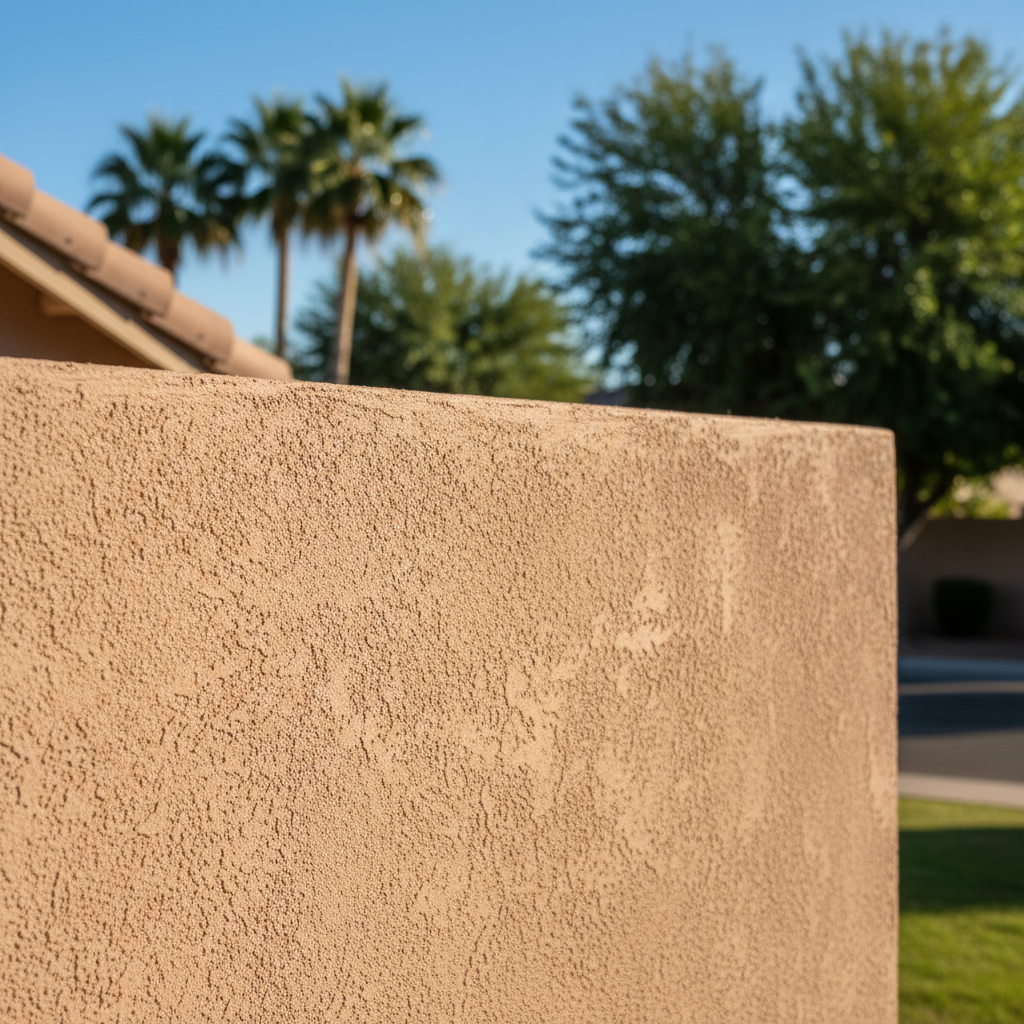
So, you're thinking about stucco for your place here in Chandler. Maybe it's a new build, an addition, or you're just tired of the old siding. Stucco's a great choice for our desert climate – it's durable, energy-efficient, and looks sharp. But it's not a simple weekend DIY job, not if you want it done right and lasting for years. Let's break down what you need to know.
Before the Project: Planning is Everything
First off, you gotta plan. This isn't like painting a bedroom. Stucco is a system, and every layer matters. Before you even think about mixing cement, you need to understand the scope.
- New Construction vs. Re-stucco: Are you putting stucco on bare sheathing, or are you tearing off old siding? If it's re-stucco, you'll need to assess the existing wall for damage, rot, or unevenness. Sometimes, you can go over existing stucco, but often, especially if it's old and failing, it's better to remove it down to the sheathing.
- Permits: Don't skip this. For any significant exterior work, especially structural or involving changes to the building envelope, you'll likely need a permit from the City of Chandler. They want to make sure the work meets code, and trust me, you don't want to get caught without one. Fines are no fun, and having to redo work is even worse.
- Material Choices: There are different types of stucco systems – traditional three-coat, one-coat, and then there's EIFS (Exterior Insulation and Finish System), which is a whole different ballgame. Each has its pros and cons, and cost differences. Traditional three-coat is what most people think of, and it's super robust.
- Budget: Be realistic. Stucco isn't the cheapest exterior finish up front, but its longevity and low maintenance often make it cost-effective over time. Get a few quotes if you're hiring out.
- DIY vs. Pro: This is the big one. Can you DIY stucco? Technically, yes. Should you? Probably not for a whole house. Small repairs, patching a crack, maybe. But a full installation? That's where I'd strongly recommend calling in the pros. There's a lot of technique involved in getting the layers right, the mix consistent, and the finish even. Plus, working off scaffolding or ladders for days in our Arizona heat isn't for everyone.
During the Project: What Happens on Site
If you're doing a small repair yourself, here's the basic rundown. If you've hired a company like Apex Stucco, this is what we'll be doing.
- Surface Prep: This is critical. If you're going over an existing surface, it needs to be clean, dry, and sound. For new construction, we're talking about house wrap (a moisture barrier), then metal lath (the chicken wire-looking stuff) securely fastened to the sheathing. This lath gives the stucco something to grab onto.
- Scratch Coat: This is the first layer of stucco. It's pushed firmly into the lath, creating a rough surface. This rough texture is essential for the next layer to bond properly. It's called a scratch coat because it's literally scratched with a tool to create grooves.
- Brown Coat: Once the scratch coat cures (usually a day or two), the brown coat goes on. This layer builds up the thickness and is carefully leveled to create a smooth, plumb surface. This is where the skill really comes in – getting it flat and even.
- Finish Coat: This is the top layer, what you actually see. It's thinner than the other coats and is where the color and texture come in. You can have smooth, sand, dash, worm, or a whole host of other finishes. This is where the aesthetic magic happens. Getting a consistent texture across a large wall takes a lot of practice.
- Curing: Stucco doesn't just dry; it cures. This is a chemical process that needs moisture. Especially in our dry Chandler air, keeping the stucco damp for a few days after application is crucial for strength and preventing cracks. You'll often see pros misting the walls.
One thing I've seen go wrong too many times with DIY attempts is the moisture barrier and flashing around windows and doors. Our monsoon rains, even though they're not constant, can be intense. If water gets behind the stucco, you're looking at rot and mold, and that's a much bigger headache than hiring a pro in the first place.
After the Project: Maintenance and Longevity
Once your stucco is installed and cured, it's pretty low maintenance, which is one of its big selling points, especially for busy homeowners. But low maintenance doesn't mean no maintenance.
- Keep it Clean: Dirt, dust, and even some algae can build up, especially on north-facing walls that get less sun. A gentle wash with a garden hose and a soft brush (or a low-pressure power washer) is usually all it takes. Avoid high-pressure washing, as it can damage the finish.
- Inspect Regularly: Walk around your house every six months or so. Look for hairline cracks, chips, or any signs of water intrusion, especially around windows, doors, and rooflines. Catching small issues early can save you big money down the road.
- Repair Cracks Promptly: Hairline cracks are normal; stucco expands and contracts with our temperature swings. But if you see cracks wider than a credit card, or if they're growing, get them looked at. Water can get in there and cause bigger problems. You can patch small cracks yourself with a good quality stucco patch, but make sure the color matches if it's a visible area.
- Painting: Stucco can be painted, but make sure you use a high-quality elastomeric paint designed for masonry. This type of paint can stretch and move with the stucco, preventing new cracks from showing through.
Look, I'm a contractor, but I'm also a homeowner. I get wanting to save a buck and do things yourself. For small patch jobs, go for it. But for a full installation, especially on a home in a place like Chandler where the sun bakes everything and the soil can shift, you really want the peace of mind that comes from a professional job. We know the local codes, the best materials for our climate, and how to make sure your stucco lasts. It's an investment, and you want it done right.