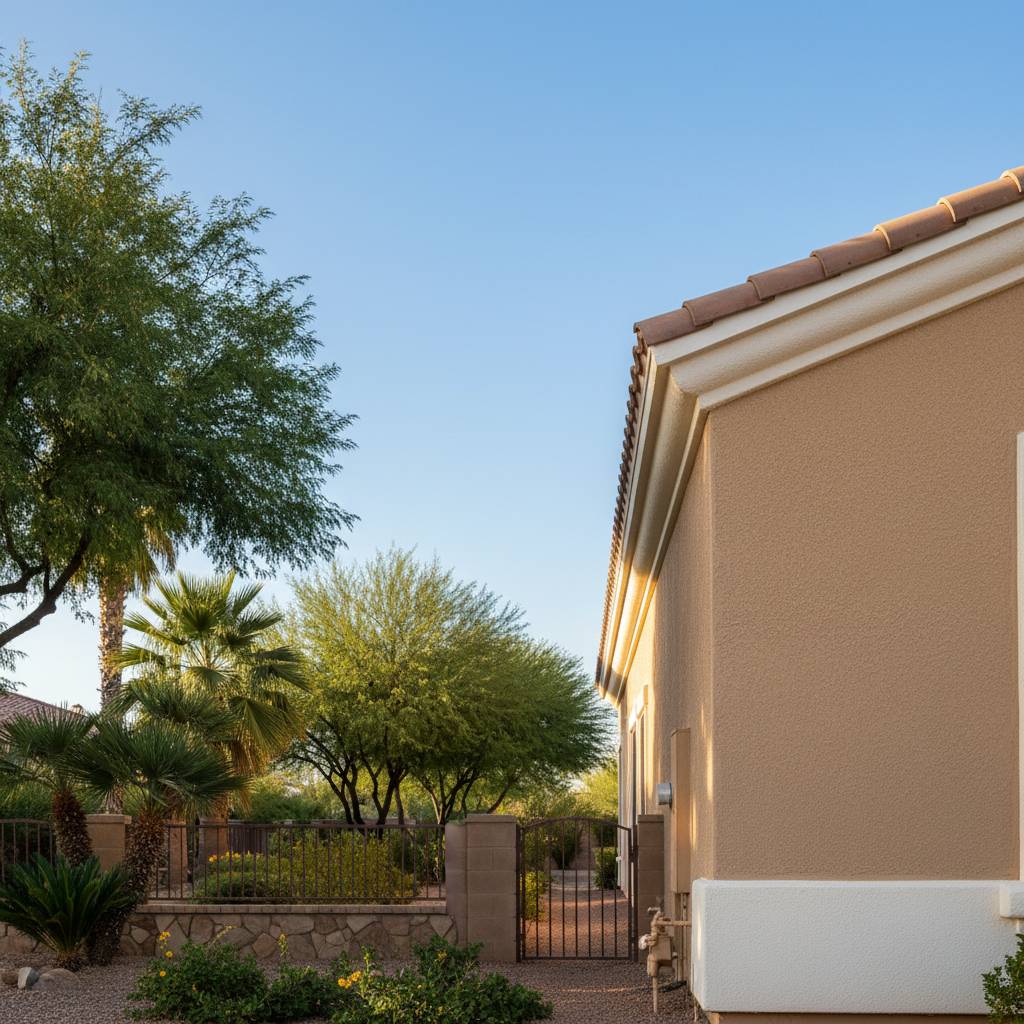
So, you've got EIFS (Exterior Insulation and Finish System) on your house, and you want it to last. Smart move. It's a great choice for insulation and boosting curb appeal, especially here in Chandler where the sun really knows how to beat down. But, just like anything else, it needs a little TLC. Think of it like your car; ignore it, and you'll definitely hit bigger problems down the road. The good news? EIFS is pretty low maintenance. Still, 'low' isn't 'no' maintenance, is it?
Making Your EIFS Last Longer in the Desert
The desert sun, specifically those brutal UV rays, is the biggest enemy of any exterior in Arizona. They can really degrade finishes over time. For EIFS, keeping that top coat in good shape is absolutely key. Here's what I always tell folks:
- Keep it Clean: Dust, dirt, and even some of that monsoon grime can pile up. A gentle wash once a year, maybe twice if you're near a dusty construction site or have a lot of landscaping, makes a huge difference. Use a soft brush or a low-pressure washer. Don't go blasting it with high pressure, though; that's just asking for trouble. Usually, mild detergent and water are all you need. Just remember to rinse thoroughly.
- Sealants are Your First Line of Defense: Around windows, doors, and where the EIFS meets other materials, you'll find sealants. These things really take a beating from our extreme temperature swings, constantly expanding and contracting. Check them annually. If you spot cracks, shrinkage, or they're pulling away, get them re-sealed pronto. This is super important for keeping water out.
- Manage Your Landscaping: Keep shrubs and trees trimmed back, away from the EIFS. Not only can branches scratch the surface, but they also hold moisture against the wall, which is never a good thing. Plus, pests just love using overgrown plants as a bridge right to your home.
- Fix Dings and Dents Quickly: EIFS is tough, but it's not indestructible. A rogue baseball, a ladder slipping, or even a hard impact from a garden hose reel can cause a ding. Don't ignore it! Small damage can let water in, and that's when minor issues suddenly become major headaches.
What Regular Maintenance Actually Looks Like
Honestly, it's mostly about looking things over. Walk around your house every six months or so, maybe after a big dust storm or a heavy monsoon rain. Get right up close and really look at the walls. What exactly are you looking for?
- Cracks: Hairline cracks are sometimes just on the surface, but wider or longer cracks, especially those that go through the finish coat, need some attention.
- Discoloration or Stains: Dark streaks, green patches, or unusual discoloration can point to water issues or algae growth.
- Bulges or Soft Spots: Press gently on the EIFS in a few spots. It should feel firm. If you find any areas that feel soft, spongy, or look like they're bulging out, that's a big red flag.
- Sealant Condition: Like I said, check all the sealants around openings and transitions.
- Drainage: Make sure your gutters are clean and sending water away from the foundation. EIFS systems are built to handle water, but you definitely don't want too much water pooling against the walls.
Here in Chandler, with our expansive clay soils, foundation movement can sometimes put stress on walls, leading to cracks. It's just something we deal with, so keeping an eye on your EIFS is extra important.
When to Call a Pro (Like Apex Stucco)
Look, I'm all for DIY when it makes sense. Cleaning your EIFS? Go for it. Re-caulking a small window? Probably fine. But there are times when you really need to bring in someone who knows EIFS inside and out. Here's when to pick up the phone:
- Any Sign of Water Intrusion: This is the big one. If you see water stains on your interior walls, notice a musty smell, or find soft spots on the EIFS exterior, don't wait. Water damage can be sneaky and get expensive fast if you let it go.
- Large or Growing Cracks: If a crack is wider than a credit card, or if you've been watching a crack and it's getting longer or wider, it's time for an expert assessment.
- Bulging or Delamination: If the EIFS is separating from the wall, or you see obvious bulges, that points to a serious issue, likely with moisture trapped behind the system.
- Damage from Impact: If you've got a significant hole or a large area of EIFS that's been damaged, getting it repaired properly is crucial. It maintains the system's integrity and helps prevent future problems.
- You're Just Not Sure: Sometimes, you just have a gut feeling something isn't right. Or maybe you're seeing something you've never seen before. That's a good enough reason to call. We'd rather come out and tell you it's nothing than have you deal with a major repair later.
Taking care of your EIFS isn't rocket science, but being proactive can save you a whole lot of money and headaches down the line. A little attention now means your home stays protected and looks great for years to come. If you're in Chandler and have questions or spot something concerning, don't hesitate to reach out to Apex Stucco. We're here to help.