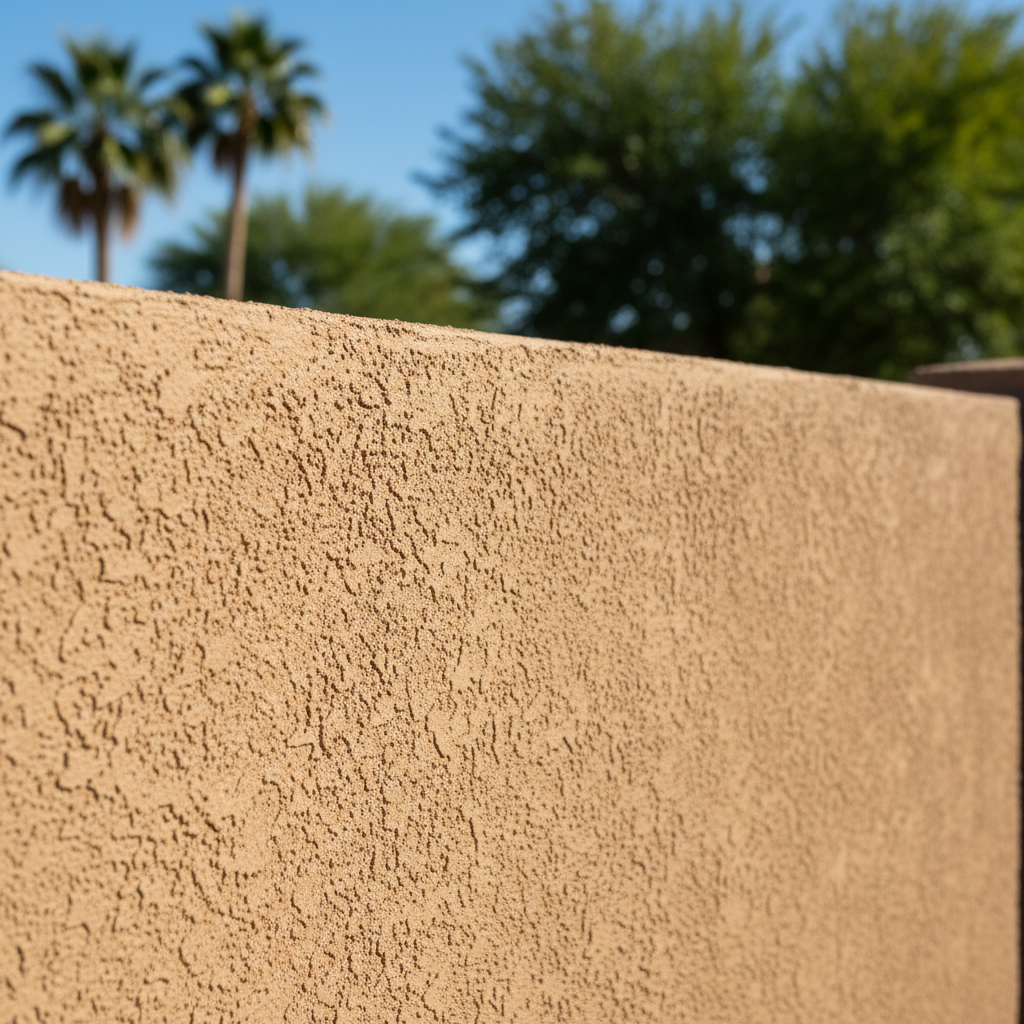
Alright, let's talk stucco inspections. Maybe you're thinking about a stucco repair, a repaint, or perhaps you just bought a place in one of those older neighborhoods near downtown Chandler and you want to make sure your exterior is solid. Whatever the reason, knowing what to look for on your stucco can really save you a lot of headaches and money down the road. It's not rocket science, but there are definitely things you can handle yourself and other times when you absolutely need to call in a pro.
Before You Start: Your Pre-Inspection Checklist
Before you even think about calling a contractor, just do a quick walk-around. This isn't about finding every tiny flaw, mind you; it's about getting a general feel for your stucco's condition. You're looking for the obvious stuff first.
- Look for large cracks: We're not talking hairline cracks here — those are pretty normal with our desert heat and soil movement. I mean cracks wider than a credit card, especially if they shoot diagonally from windows or doors, or if they're horizontal and really long. Those could signal bigger structural issues, or at the very least, serious spots for water to get in.
- Check for discoloration or staining: See any dark streaks? Especially under windows, near the roofline, or around pipes coming out of the wall? That usually means water is getting in and running down the wall. It might be a leaky window, a clogged gutter, or even a plumbing leak hiding behind the stucco.
- Soft spots or bulging: Gently press on the stucco in different areas, particularly near the bottom of walls or around openings. Does it feel soft or spongy? Does it bulge out at all? That's a huge red flag for trapped moisture and potential rot underneath.
- Pest activity: Termites just love moisture, and if you've got water getting into your stucco, you might have some uninvited guests. Keep an eye out for mud tubes or any other signs of insect damage.
- Drainage issues: How's the ground around your house, anyway? Is it sloped away from the foundation? Are your sprinklers hitting the stucco directly? Poor drainage is a massive contributor to stucco problems right here in Chandler. You want water moving away from your house, not pooling against it.
This initial check helps you understand the scope of things. If you see just a few small hairline cracks and some minor fading, that's one thing. But if you've got widespread bulging, massive cracks, and dark stains everywhere, well, you're looking at a whole different kind of project.
During the Project: What to Watch For
Okay, so you've done your initial inspection, maybe even called Apex Stucco or another reputable company for a quote. Now, let's say you've hired someone and the work is underway. You still have a part to play, you know.
- Communication is key: Don't be afraid to ask questions. If something doesn't look quite right, bring it up. A good contractor will explain what they're doing and why.
- Surface prep matters: Before any new stucco goes on, or before repainting, the old surface needs to be properly prepared. Are they cleaning it thoroughly? Are they fixing existing cracks and damage before just covering them up? This is absolutely critical for the new work to last.
- Proper application: If they're doing repairs or a full re-dash, watch how they apply the material. Is it consistent? Are they using the right tools? You don't need to be an expert, but you can usually tell if someone is rushing or being sloppy.
- Flashing and sealants: Pay close attention to areas around windows, doors, and rooflines. Are they installing or repairing flashing correctly? Are they using good quality sealants where stucco meets other materials? These spots are the main entry points for water, so they really need to be watertight.
You're not there to micromanage, but you are the homeowner. It's your house, your investment. Being engaged just helps ensure the job gets done right.
After the Project: Keeping an Eye On It
The job's done, it looks great, and you're happy. Fantastic! But your work isn't quite over. Stucco, especially in our harsh Arizona climate, needs ongoing attention.
- Regular visual checks: Make it a habit to walk around your house every few months. Look for new cracks, stains, or any changes. Catching a small issue early is always better than letting it become a big one.
- Maintain landscaping: Keep bushes and trees trimmed away from the stucco. Plants holding moisture against your walls? That's a recipe for disaster.
- Check your sprinklers: Make sure your irrigation system isn't constantly spraying your stucco. That never-ending wetting and drying cycle is really tough on any exterior finish.
- Clean gutters: Clogged gutters can cause water to overflow and run down your stucco, leading to those ugly stains and potential water intrusion. Keep 'em clean.
When do you call a pro? If you see significant cracking, bulging, or persistent moisture stains that you can't figure out the source of, that's when you pick up the phone. If you're unsure about how bad the damage is, or if you suspect water is getting behind the stucco, you need an expert. A good stucco contractor can do a thorough moisture inspection, identify hidden problems, and recommend the right course of action. Don't guess when it comes to water damage; it's almost always worse than it looks on the surface, isn't it?
Taking a proactive approach to inspecting your stucco means you'll catch problems early, keep your home protected, and ensure your exterior looks good for years to come.